
Editorial

Article Sidebar
Main Article Content
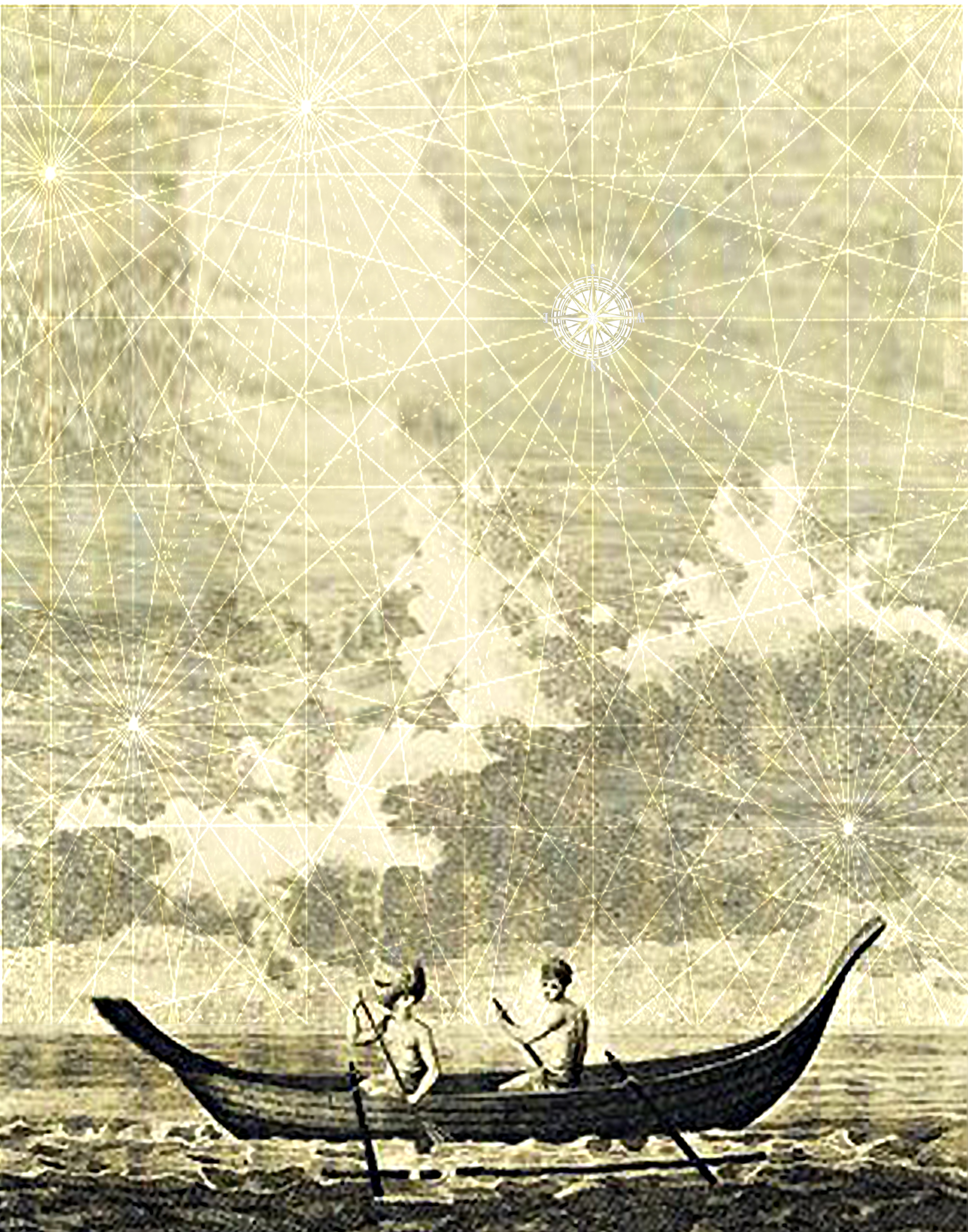
On September 25, 1513, thanks to information provided by the Darien Indians, Vasco Nuñez de Balboa, from Extremadura, saw for the first time another ocean that existed beyond that isthmus, which he called the South Sea. From then on, a series of economic, social and cultural dynamics were set in motion that led to the discovery of the fabulous riches of Peru, and later, to access by Iberians and Americans to the colossal treasures of Asia. Thus, Columbus' dream of having access to the East Indies following a route through the West was crystallized, and at the same time it became plausible for the Spanish monarchy to put an end to the hegemony of the Portuguese presence in that space without violating the Treaty of Tordesillas. Thus, with this feat, the union of the great ocean basin that occupies half of the planet Earth and includes the American and Asian coastlines and coasts, and the group of islands that make up Oceania or Australasia, began.
- Dossier
- Mar del Sur
- exchanges
- History
- Ethnology
Castaño, Yoer. “Editorial” Historia y Espacio. Vol. 20 n°63 (2024): Páginas pp. Doi: 10.25100/hye.v20i63.14561. DOI: https://doi.org/10.25100/hye.v20i62.14248
Downloads





This work is licensed under a Creative Commons Attribution-NonCommercial-ShareAlike 4.0 International License.